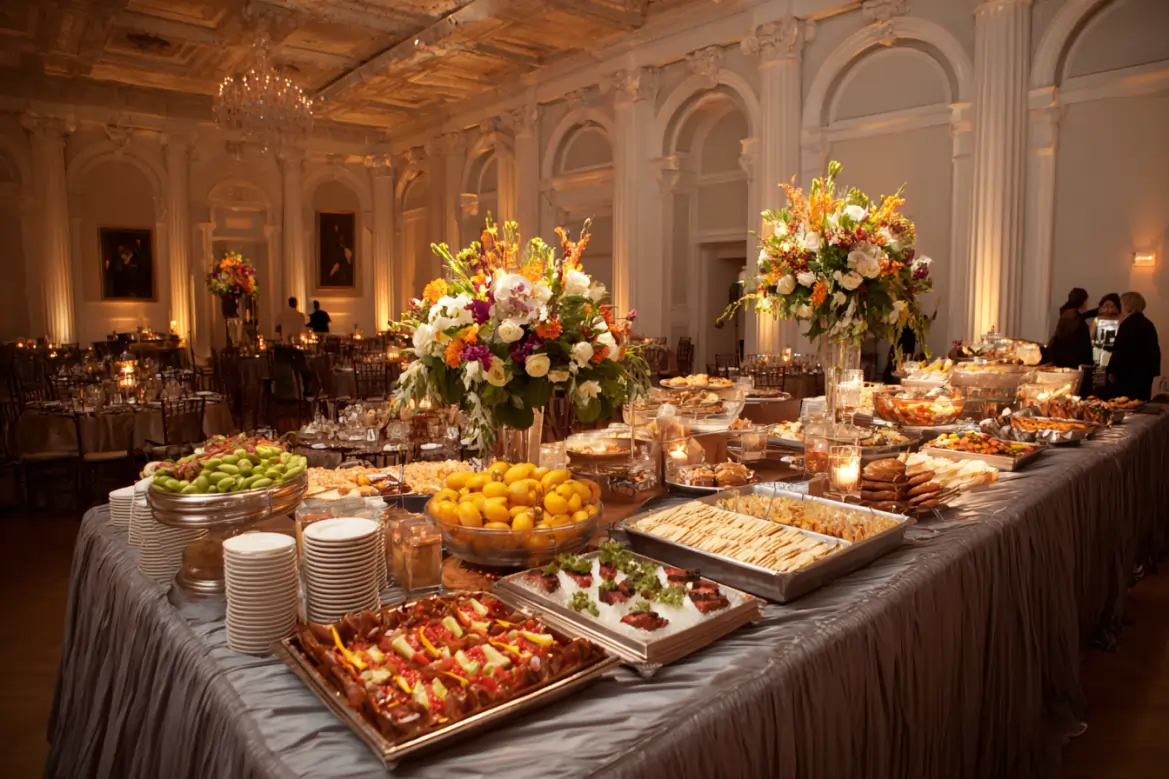
Planning wedding catering can be a complex and detail-oriented process. Ensuring that everything runs smoothly on the big day requires avoiding some common pitfalls. Below are key mistakes to watch for and strategies to ensure a seamless culinary experience for your guests.
Underestimating Guest Count
One of the biggest errors in wedding catering is providing too little food because of an inaccurate guest count. To prevent this:
– Request RSVPs early: Set deadlines for guests to confirm attendance well in advance.
– Account for extras: Always have a buffer—plan for about 5-10% more food than your final guest count, as unexpected attendees or larger-than-average appetites may arise.
Neglecting Dietary Restrictions and Preferences
Overlooking dietary needs can leave some guests feeling excluded or unable to enjoy their meal. Common dietary considerations include:
– Vegetarian or vegan options
– Gluten-free dishes
– Nut allergies or lactose intolerance-friendly meals
Work closely with your caterer to create an inclusive menu that accommodates these requirements without sacrificing flavor or presentation.
Overcomplicating the Menu
An overly intricate menu can lead to logistical challenges, increased costs, and slower service times. Keep these tips in mind:
– Focus on crowd-pleasers with universal appeal while offering select specialty options.
– Avoid dishes that require extensive on-site preparation unless your venue has appropriate facilities.
Failing to Schedule Tastings and Finalize Details Early
Skipping a catering tasting session might mean ending up with subpar food on your wedding day. To avoid disappointment:
1. Schedule at least one tasting session months before the event.
2. Use this opportunity to finalize items including portion sizes, presentation style, and any adjustments based on feedback.
Ignoring Service Style Considerations
The way food is served (buffet, plated service, family-style) directly impacts costs, timing, and guest experience:
| Service Style | Benefits | Considerations |
|—————–|———————————————–|———————————————|
| Buffet | Variety of choices; encourages mingling | May lead to longer wait times |
| Plated | Elegant presentation; controlled portions | Requires more staff; higher cost |
| Family-style| Interactive; facilitates sharing | Needs larger tables; can feel less formal |
Discuss these options with your caterer based on your event size and formality level.
Not Having a Backup Plan
Unexpected issues like bad weather (for outdoor events), equipment failures, or last-minute vendor cancellations can derail even the best-laid plans. Prepare by: – Asking how the caterer handles emergencies. – Creating contingency plans for outdoor setups if rain occurs. – Confirming that refrigeration units are reliable for perishable items.
Overlooking Beverage Pairings
Many couples focus so much on food that they forget about complementary beverages: – Offer non-alcoholic options such as mocktails alongside traditional drinks. – Work with your caterer or bartender team to pair wines/spirits appropriately with each course.
By thoughtfully addressing these common mistakes during planning stages, you’ll set the stage for exceptional catering that enhances the overall success of your wedding celebration. Making deliberate choices ensures both you and your guests leave with lasting memories of an enjoyable dining experience.
Creating Inclusive Washington DC Catering: Addressing Dietary Needs and Preferences
When planning catering for an event, recognizing and addressing dietary needs and preferences is critical to ensuring all guests feel welcomed and cared for. Understanding these requirements not only contributes to a successful event but also reflects thoughtfulness and inclusivity. Below are key steps and considerations to help meet diverse dietary needs effectively.
Tips for Working with a Catering Company Washington DC
Begin by collecting dietary preferences as part of the RSVP process. Include a section where guests can indicate:
– Food allergies (e.g., nuts, shellfish, gluten).
– Dietary restrictions (e.g., vegetarian, vegan, kosher, halal).
– Preferences or intolerances (e.g., lactose intolerance, low-sodium).
This information will enable you to plan menus in collaboration with your caterer that accommodate everyone’s needs: https://www.washingtondccatering.net
Tips for Partnering with Your Wedding Catering Washington DC Team
Work closely with your caterer to address dietary considerations. Ensure they can handle:
– Custom meal options: Offering alternatives like gluten-free bread or plant-based proteins can go a long way.
– Separate preparation areas: For severe allergies such as nut-free or gluten-free meals, dedicated prep areas minimize cross-contamination risks.
– Clear labeling: Buffets should include labels indicating common allergens or suitability for specific diets (e.g., “Contains Dairy” or “Vegan-Friendly”).
Diverse Menu Options for Corporate Catering Washington DC
| Dietary Requirement | Sample Menu Option | Notes |
| Vegetarian | Grilled vegetable skewers | Ensure no hidden animal products like gelatin in sauces. |
| Vegan | Lentil-stuffed bell peppers | Avoid using honey in dressings or desserts. |
| Gluten-Free | Herb-crusted salmon with rice | Use only certified gluten-free ingredients throughout preparation. |
| Nut-Free | Fresh fruit platter | Double-check all condiments, sauces, and desserts for hidden nuts. |
| Low-Sodium | Herb-roasted chicken | Focus on natural seasonings such as herbs instead of salt-heavy alternatives. |
Effective Communication for Food Delivery Washington DC
Inform your guests that their needs have been addressed well before the event day:
1. Share general menu details when confirming attendance so they feel reassured about their options. 2. Place clear signage at food stations indicating safe choices for various groups. 3. Train serving staff on specific guest requirements so they can answer questions confidently.
Avoid Common Pitfalls
To provide inclusive catering seamlessly: – Do not rely on one-size-fits-all dishes; diversity in menu offerings shows genuine care. – Avoid last-minute decisions regarding dietary accommodations; advanced planning prevents errors. – Never assume; double-check ingredients used by vendors to ensure accuracy.
Addressing dietary needs should be an integral part of the planning process rather than an afterthought. A thoughtful approach will ensure every guest feels valued while enjoying delicious cuisine that meets their specific requirements perfectly.
How to Successfully Collaborate with Your Caterer for a Seamless Experience
Planning an event, especially a wedding or a large gathering, can be overwhelming. Catering plays a pivotal role in ensuring your event is memorable. Collaborating effectively with your caterer is essential to create an enjoyable and stress-free experience for both you and your guests. Here’s how to establish a productive partnership with your caterer.
Communicate Your Vision Clearly
Start by sharing your overall vision for the event. This includes:
– Theme and Style: Is your event formal or casual? Consider whether the food presentation should align with specific themes, such as rustic, modern, or traditional.
– Dietary Requirements: Identify any dietary restrictions among your guests (e.g., vegan, gluten-free, or nut allergies). This ensures everyone’s needs are addressed.
– Preferred Cuisine: Provide direction on the type of cuisine you’d like served—whether it’s Italian, Asian fusion, barbecue, or something else entirely.
Providing detailed information early on allows the caterer to tailor their services and menu options to suit your preferences.
Establish a Realistic Budget
Be upfront about your budget from the get-go. A professional caterer will help you design a menu that aligns with both your financial constraints and culinary goals. Many factors influence catering costs, including:
– The number of guests being served.
– The complexity of dishes requested (plated meals may cost more than buffet-style service).
– Additional services such as bartending or specialty rentals.
By setting clear financial parameters, you reduce surprises during later stages of planning.
Schedule Tastings Before Making Final Decisions
Tastings are an excellent opportunity to experience the menu firsthand before committing to it for the big day. During tastings:
– Focus on flavor profiles and presentation style. – Request adjustments where necessary (e.g., reducing spice levels or altering portion sizes).
– Explore beverage pairings if applicable.
Use this session to refine details and ensure alignment between expectations and execution.
Create an Event Timeline Together
Collaborate with your caterer when developing the event timeline. Key elements include:
1. Cocktail Hour Timing: Ensure appetizers are ready as soon as guests arrive. 2. Meal Service Schedule: Decide whether courses will be individually plated or served buffet-style. 3. Dessert Presentation: Discuss whether desserts will be stationary at tables or part of a dessert bar.
Sharing schedules allows the catering team to coordinate seamlessly with other vendors like decorators and entertainers.
Leverage Their Expertise
Experienced caterers have worked across numerous events and venues; their insight can prove invaluable in areas such as: – Determining optimal serving methods based on venue layout. – Recommending service staff ratios for timely guest attention. – Providing suggestions for unique dishes that complement seasonal availability.
Trusting their expertise ensures smooth execution while tapping into creative ideas you may not have considered otherwise.
| Collaboration Tips | Why It Matters |
| Share guest list details early | Accommodates dietary preferences |
| Review rental needs in advance | Prevents last-minute shortages |
| Confirm headcount two weeks prior | Avoids excess food preparation |
Follow-Up Regularly but Respect Boundaries
While communication is key, it’s also important not to micromanage every aspect of catering operations. Trusting professionals gives them space to perform their job effectively while ensuring accountability through periodic check-ins closer to the event date.
By fostering open communication channels paired with mutual respect throughout all stages—from planning through execution—you set both yourself and your chosen caterer up for success when delivering exceptional dining experiences at events large or small.
How to Successfully Collaborate with Your Caterer for a Seamless Experience
Collaborating effectively with your caterer is essential to ensuring that your event runs smoothly and meets your expectations. Communication, flexibility, and mutual understanding play key roles in achieving a seamless partnership. Below are some practical tips to help you foster a good working relationship with your caterer and ensure the success of your event.
Establish Clear Expectations from the Start
- Budget: Be upfront about your budget limitations so the caterer can propose options that fit within it.
- Event Details: Share specifics like the type of event, date, guest count, theme, and venue location.
- Menu Preferences: Provide an idea of your desired cuisine style (e.g., buffet, plated dinner, hors d’oeuvres) or dietary requirements.
Communicate Openly and Regularly
- Use emails or shared documents to track decisions made during discussions.
- Create a timeline or event plan that includes catering milestones such as menu tasting dates or finalizing headcounts.
- Encourage honest feedback from both sides.
Attend Tastings Together
- Bring examples or photos of dishes you admire for reference.
- Ask questions about ingredient sourcing and preparation techniques.
- Offer constructive feedback on what works well or needs adjusting.
Discuss Logistics Thoroughly
| Key Logistics | Points to Discuss |
| Venue Setup | Kitchen facilities, storage space availability |
| Timeline | Arrival/departure times for staff |
| Service Style | Buffet vs plated meals vs food stations |
| Equipment | Rental needs (tables, chairs, plates) |
The more comprehensive these discussions, the fewer surprises you’ll encounter during the event.
Be Open to Their Expertise
Professional caterers bring years of experience managing different events and challenges. While it’s important to share your vision, remain open-minded about their recommendations regarding menu options, service styles, or vendor partnerships.
Examples of insights they might provide include: – Substituting hard-to-source ingredients with comparable alternatives. – Advising on portion sizes based on guest demographics. – Recommending service staff-to-guest ratios for optimal efficiency.
Confirm Final Details Ahead of Time
- Provide an updated guest count by the agreed-upon deadline.
- Confirm any special dietary accommodations required (e.g., vegan meals).
- Double-check delivery schedules for food items and equipment rentals.
Clear documentation—such as contracts or agreements—is essential at this stage so both parties are aligned on responsibilities.
Collaborating successfully with a caterer requires effort from both sides but can lead to exceptional results when done right. By fostering effective communication channels, leveraging their expertise wisely, and planning thoroughly together at every step—your partnership will not only be productive but enjoyable as well.
Essential Venue Considerations for Caterers: Facilities, Layout, and Guest Flow
Selecting the ideal venue is one of the most crucial steps when planning an event with catering. For caterers, certain venue elements significantly impact the efficiency and quality of service. Understanding these factors ensures a smoother experience for both the host and their guests. Below are essential considerations that caterers should keep in mind regarding facilities, layout, and guest flow.
Facilities: Beyond Aesthetic Appeal
- Kitchen Availability: Determine if there is an on-site kitchen or prep area. If not, assess if sufficient space is available for mobile kitchen setups or equipment brought by the caterer.
- Electrical Outlets: Verify that there are adequate electrical outlets for warming trays, espresso machines, or other appliances.
- Refrigeration Options: Check whether there are refrigerators or coolers available to store perishable items during the event.
- Loading Areas: Ensure that there is easy access and loading zones for staff to transport supplies without causing disruption.
Without these foundational elements in place, caterers may face unexpected challenges that could compromise food quality or timely delivery.
Layout: Optimizing Space for Efficiency
- Buffet vs. Plated Service: Decide whether buffet stations or plated service will work better with the venue’s layout to avoid overcrowding in tight spaces.
- Bar Placement: Place bars strategically so that guests can easily access drinks without disrupting other areas like food stations or seating arrangements.
- Serving Stations: Incorporate multiple serving points for larger events to streamline food distribution and reduce waiting times.
- Back-of-House Flow: Identify designated areas where staff can move freely between prep stations and serving areas without crossing paths with guests.
Ensuring efficient use of space helps maintain order throughout an event while enhancing the overall guest experience.
Guest Flow: Creating a Comfortable Atmosphere
Guest flow refers to how attendees navigate through different areas of an event space—particularly around catering setups like buffets or hors d’oeuvre stations. Poorly planned guest flow can create confusion or long wait times during meals.
- Strategic Entry Points: Avoid placing food stations near entrances where guests may crowd upon arrival.
- Seating Proximity: Ensure tables are situated close enough to dining setups but far enough away from high-traffic zones like bars and restrooms.
- Directional Signage: Use clear signage as needed to direct guests toward self-service areas (e.g., beverage dispensers) while keeping movement intuitive.
| Venue Feature | Impact on Catering Operations |
| On-Site Kitchen | Simplifies food preparation |
| Ample Electrical Outlets | Supports equipment functionality |
| Open Floor Plan | Enhances guest movement |
| Loading Dock Access | Facilitates smooth setup logistics |
Careful consideration of these elements ensures not only operational success but also an elevated dining experience for attendees at any catered event.
Practical Tips for Menu Planning to Create Memorable Culinary Experiences
Menu planning is a critical aspect of offering guests a truly unforgettable dining experience. Whether you are hosting an intimate gathering or a grand celebration, the menu plays a pivotal role in setting the tone and leaving a lasting impression. Below are practical tips to help create memorable culinary experiences through thoughtful menu planning.
Understand Your Audience
One of the first steps in crafting an exceptional menu is understanding your audience. Catering to diverse tastes and preferences ensures that everyone enjoys the event. Consider the following:
– Demographics: Are most attendees young adults, families, or professionals?
– Cultural Backgrounds: Do cultural traditions suggest including or excluding specific dishes?
– Event Purpose: Is it a formal corporate event, a wedding, or a casual gathering?
Account for Dietary Restrictions and Preferences
Inclusivity is key when planning any menu. Ignoring dietary needs can alienate guests and create unnecessary complications during the event. Be sure to:
– Provide vegetarian and vegan options.
– Include gluten-free items for those with sensitivities.
– Offer nut-free dishes if allergies are disclosed beforehand.
Pro Tip: Label all dishes clearly on printed menus or buffet stations so guests know exactly what they are eating.
Balance Variety with Simplicity
| Course | Example Options |
| Appetizers | Bruschetta, Caprese Skewers |
| Main Courses | Grilled Salmon, Stuffed Portobello Mushrooms |
| Side Dishes | Herb-Roasted Vegetables, Wild Rice Pilaf |
| Desserts | Seasonal Fruit Tartlets, Chocolate Mousse |
Highlight Seasonal and Local Ingredients
Menus that emphasize fresh, seasonal ingredients elevate both flavor and presentation while supporting local farmers and producers. This approach not only ensures high-quality dishes but also resonates well with eco-conscious attendees.
Benefits of using seasonal ingredients include:
– Enhanced flavors due to peak ripeness. – Cost savings as seasonal produce is often more affordable. – Reduced carbon footprint through shorter transportation distances.
Incorporate Unique Touches
Adding unique elements can transform an ordinary meal into an exceptional one by giving it personality and charm—perfectly aligned with the theme of your event. Consider incorporating:
– Interactive Food Stations: Live pasta stations or DIY taco bars engage guests while serving as entertainment. – Signature Dishes: Collaborate with your caterer to design one-of-a-kind creations inspired by personal stories or regional specialties. – Custom Cocktails/Desserts: Personalized drinks or desserts tailored to the occasion make memorable conversation starters.
Plan for Portion Control and Food Quantities
Overestimating food quantities leads to waste, while underestimating can leave some guests unsatisfied. Collaborate closely with your caterer on portion control based on guest count and meal style (e.g., plated vs buffet).
Use this rough guideline for portion sizes per person: – Appetizers (pre-meal): 4–6 pieces – Proteins (main course): 6–8 oz – Side dishes (vegetables/starch): 3–5 oz each – Dessert: One standard serving per guest
Test Before the Event
Schedule tastings with your caterer ahead of time to assess not only flavors but also presentation quality of each dish offered in final menus.
Thoughtful planning combined with collaboration ensures well-executed moments tied directly into culinary creativity leaving every guest satisfied at memorable catered occasions.
- Top Mistakes to Avoid When Hiring Washington DC Caterers for a Flawless Wedding
- Why Washington DC Caterers Are Essential for Hosting Successful Events
- Elevate Your Event Success with a Professional Catering Company Washington DC
- Essential Tips for Washington DC Catering to Impress Your Guests
- How to Choose the Perfect Washington DC Catering Service for Every Occasion
- Top Tips and Comprehensive Insights for Choosing Washington DC Catering for Your Event
- Why Washington DC Caterers Are Essential for Corporate Catering Services