
Selecting the right caterer can make or break your event, whether it’s a wedding, corporate gathering, birthday celebration, or intimate dinner party. A well-chosen caterer takes the stress out of event planning by delivering exceptional food and service tailored to your specific needs. This guide outlines key factors to consider when hiring a caterer for any occasion.
Understand Your Event Type and Scale
- Type of Event: Formal dinners, casual buffets, cocktail parties, weddings, or themed events.
- Number of Guests: Determine whether the caterer can handle small gatherings (20-30 guests) or large-scale events (hundreds or thousands).
- Event Setting: Indoor venues may have different requirements than outdoor spaces.
Clearly defining these aspects ensures that you narrow down caterers who specialize in the type of service you need.
Prioritize Experience and Expertise
- Diverse Events: Have they worked at weddings, corporate functions, or themed parties?
- Dietary Accommodations: Can they handle vegetarian, vegan, gluten-free, or other dietary restrictions?
- Cultural Cuisine Specialties: Do they offer menus inspired by specific cultural traditions?
Research client reviews online and ask for references to verify their reputation.
Evaluate Menu Options and Customization
| Factor | Questions to Ask |
| Menu Variety | Do they offer diverse cuisines? |
| Dietary Needs | Can they accommodate allergies? |
| Customization Availability | Will they tailor dishes for your theme? |
Discuss whether their offerings align with your vision and attendees’ preferences.
Schedule Food Tasting Sessions
- Food quality
- Presentation style
- Portions and attention to detail
Food tastings give you confidence in their ability to meet expectations on event day.
Assess Service Standards
Exceptional catering is more than just food; it includes seamless service delivery. Discuss staffing arrangements such as servers-to-guests ratio and whether bartenders are available if needed. Also inquire about setup timing and cleanup responsibilities post-event.
Choosing an ideal caterer requires thoughtful consideration across multiple dimensions—from understanding guest needs to evaluating expertise and flexibility—ensuring a successful outcome tailored specifically for your occasion.
Finding the Best Washington DC Caterers for Your Event Needs
Choosing the right caterer begins with understanding your specific event needs and catering requirements. Whether you’re planning a corporate function, wedding, birthday party, or casual gathering, having a clear vision for your event helps narrow down potential catering options. Below is a guide to help you define these aspects effectively.
Key Factors to Consider in Event Planning
- Type of Event
The nature of your event plays a significant role in determining the style and type of catering required: - Formal Events: Corporate events, weddings, gala dinners often demand full-service catering with plated meals or buffets.
- Casual Gatherings: Birthdays, picnics, or backyard parties may benefit from food stations or a more relaxed setup like finger foods or BBQ-style menus.
- Guest Count
Knowing the approximate number of attendees is crucial for ensuring sufficient food quantities while avoiding unnecessary wastage. Always plan for a bit extra to accommodate last-minute additions. - Venue Logistics
The location of your event can impact catering decisions: - Does the venue have an on-site kitchen?
- Are there space limitations that restrict food setup options?
- Will beverages be served by licensed staff on-site?
- Event Timing
Determine whether the caterer needs to prepare breakfast, lunch, dinner, or cocktail hour services and adjust menu types accordingly.
Identifying Catering Requirements
- Dietary Preferences: Ensure all dietary preferences (e.g., vegetarian/vegan meals) and restrictions (e.g., gluten-free or nut-free dishes) are considered for guests’ convenience.
- Service Style: Decide if you prefer seated service, buffet-style dining, food stations, family-style platters, or passed hors d’oeuvres.
- Special Themes/Styles: For themed events (e.g., cultural celebrations), look for caterers who can tailor their offerings to suit these elements seamlessly.
- Beverage Services: Will alcoholic beverages be included? If so, decide whether to opt for an open bar or select beverages à la carte.
Questions to Ask Yourself Before Contacting Caterers
| Question | Why It Matters |
| “What is my total budget?” | Helps eliminate options that exceed affordability |
| “What atmosphere am I creating?” | Determines service style (formal vs informal) |
| “What are my must-haves?” | Ensures critical requirements (e.g., vegan meals) |
| “What is my timeline?” | Helps ensure availability of quality providers |
By clearly defining your needs upfront and taking logistical factors into account, you increase the likelihood of selecting a caterer who aligns perfectly with your expectations while delivering an exceptional dining experience tailored specifically to your event.
Discovering Menu Options and Flexibility with a Catering Company Washington DC
Assessing Menu Variety
A great caterer will provide a range of menu options that cater to various tastes, dietary preferences, and event themes. When reviewing their offerings, pay attention to:
– Cuisine Options: Does the caterer offer a variety of cuisines (e.g., Italian, Asian, Mediterranean)?
– Meal Types: Are there choices for plated meals, buffets, hors d’oeuvres, or food stations?
– Seasonal Menus: Does the menu include seasonal ingredients or dishes that align with the time of year?
Dietary Accommodations
Inclusivity is key when designing an event menu. Check if the caterer can accommodate specific dietary needs or restrictions such as:
– Vegetarian or vegan options
– Gluten-free dishes
– Allergy-friendly alternatives (e.g., nut-free meals)
Discuss these requirements early in the process to ensure all guests feel welcome and cared for.
Customization Options
Every event is unique, so it’s important to work with a caterer who is open to tailoring their menus. Look for flexibility in areas like:
1. Personalized Dishes: Can they incorporate family recipes or cultural dishes into the menu?
2. Theme-Based Menus: Are they willing to align their offerings with your event theme (e.g., rustic barbecue for an outdoor wedding)?
3. Portion Sizes & Timing: Can they adjust portions or serve food at specific times during the event?
Sample Menu Table Example
| Menu Category | Sample Dish | Customization Option | Dietary Note |
| Appetizers | Caprese Skewers | Add balsamic glaze | Vegetarian |
| Main Course | Herb-Crusted Salmon | Substitute with chicken | Gluten-Free Option |
| Side Dish | Garlic Mashed Potatoes | Incorporate truffle oil | Vegan Alternative |
| Dessert | Chocolate Lava Cake | Offer dairy-free version | Dairy-Free Available |
Collaboration During Planning
To create a seamless catering experience, engage in open communication with your caterer regarding your preferences and expectations. Some tools you can use during this process include: – Sharing examples or photos of desired presentations. – Suggesting ingredient swaps based on guest preferences. – Asking about innovative serving styles such as interactive food bars.
Final Considerations on Flexibility
When evaluating the flexibility of a catering service: – Check if changes can be made closer to the event date. – Confirm how they handle last-minute adjustments due to unexpected guest count changes. – Ensure their willingness to provide tastings for proposed custom items.
By carefully exploring these aspects of a caterer’s approach to menus and customization, you’re more likely to create an experience that leaves guests impressed and satisfied.

Exploring Wedding Catering Washington DC: Menu Options and Flexibility for Your Event
Selecting the right catering service goes beyond reputation and experience. One of the most critical factors to consider is the menu options offered by the caterer and their flexibility in tailoring the menu to suit your event’s needs. Whether you’re hosting a formal wedding, a casual corporate gathering, or an intimate family celebration, the food served plays a central role in shaping your guests’ experience. Here’s what to consider when evaluating menu options and flexibility.
Assessing Menu Variety
- Does the caterer provide vegetarian, vegan, or gluten-free dishes?
- Are there regional or cultural specialties that align with your event’s theme?
- Do they cater to specific dietary restrictions or allergies?
| Menu Category | Example Dishes | Special Considerations |
| Appetizers | Caprese skewers, mini spring rolls | Offer vegetarian and non-spicy options |
| Main Courses | Grilled salmon, stuffed chicken breast | Include vegan/vegetarian alternatives |
| Desserts | Assorted cupcakes, fruit tartlets | Provide sugar-free dessert options if needed |
Caterers with wide-ranging menus are often more equipped to meet diverse guest needs while maintaining quality.
Customization Options
- Incorporating family recipes or traditional dishes.
- Adjusting portion sizes based on event type (e.g., buffet vs plated meals).
- Including interactive food stations (e.g., live pasta-making or sushi bars).
- Matching beverage pairings with specific dishes for elevated dining experiences.
Such customizations add an exclusive touch to your event while demonstrating attention to detail.
Seasonal Ingredients and Sustainability
- Are local ingredients sourced whenever possible?
- Does the caterer avoid single-use plastics during service?
- Can they create menus that highlight seasonal produce?
Menus designed around these considerations can enhance both taste and guest perception of your event.
Food Presentation Styles
- Buffet Style: Offers variety but may require additional space.
- Plated Service: Ideal for formal events; ensures portion control.
- Family Style: Encourages sharing among guests for a more casual feel.
Each style has unique benefits; choosing one depends on your event’s formality and logistics.
Key Takeaways
- Look for variety in appetizers, mains, desserts, and beverages.
- Check whether dietary requirements are accommodated without compromising quality.
- Prioritize customization options tailored to your specific preferences.
- Assess sustainability practices in ingredient sourcing and waste management.
- Align food presentation style with your event’s tone.
By considering these aspects thoughtfully, you’re more likely to create an unforgettable dining experience perfectly suited to your occasion’s unique character.
The Importance of Food Tasting Sessions for Corporate Catering Washington DC
Food tasting sessions are a critical step in the process of hiring the right caterer for your event. These sessions not only provide insight into the quality and presentation of the food but also allow you to assess how well the caterer aligns with your preferences and expectations. By prioritizing this stage, you can avoid potential surprises on the day of your event and ensure a seamless dining experience for your guests.
Why Food Tasting Sessions Matter
- Evaluate Food Quality:
Tasting sessions give you a firsthand experience of the flavors, textures, and overall quality of the dishes offered by the caterer. This is essential for ensuring that their culinary skills meet your standards. - Assess Presentation:
Beyond taste, presentation plays a significant role in creating an appealing dining experience. A tasting session offers an opportunity to see how dishes are plated and whether they visually align with your event’s theme or tone. - Confirm Customization Options:
If you have specific dietary requirements or unique menu ideas, tasting sessions provide an opportunity to discuss these directly with the caterer and see how they can accommodate them. - Build Confidence:
A successful tasting session reassures you that you’ve chosen a caterer capable of delivering excellence on the day of your event.
Questions to Ask During a Tasting Session
- Are these dishes representative of what will be served at my event?
- Can adjustments be made to suit specific preferences or dietary restrictions?
- How will these menu items be presented during service?
- What seasonal variations might affect ingredient availability?
These questions help establish transparency and ensure both parties are on the same page.
What to Look for During a Food Tasting Session
| Aspect | Things to Observe |
| Taste | Balanced flavors, freshness, seasoning, and overall satisfaction |
| Presentation | Appearance of dishes, plating style, garnishes |
| Portion Size | Appropriateness relative to guest expectations |
| Variety | Range of options available within each course |
| Service Interaction | Professionalism and attentiveness during discussions |
Taking notes during this process can help compare catering options later when finalizing decisions.
Tips for Success During Food Tastings
- Bring Key Decision-Makers: Involve individuals whose opinions matter, such as family members or event planners.
- Communicate Preferences Clearly: Share any cultural or thematic elements that should influence menu design.
- Provide Feedback: Constructive feedback helps caterers adjust their offerings based on your preferences.
- Be Mindful of Budget: Ensure that dishes sampled fall within your price range while maintaining quality expectations.
Final Thoughts
A food tasting session is more than just sampling meals — it’s about establishing trust with your caterer while ensuring every detail aligns with your vision. By taking advantage of this step in selecting a catering service, you can confidently move forward knowing that your guests will enjoy an exceptional dining experience tailored specifically to your event’s needs.
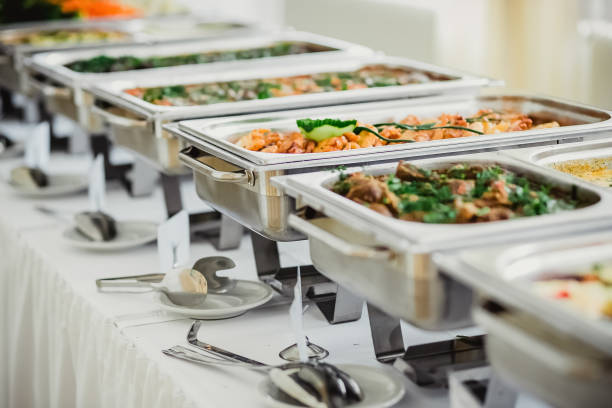
Ensuring Exceptional Food Delivery Washington DC with Your Chosen Caterer
When planning an event, the quality of service provided by your caterer can significantly impact the overall experience for you and your guests. Beyond the food itself, exceptional service is what transforms a good event into a memorable one. Here are some key aspects to consider when evaluating your caterer’s service and staffing capabilities.
Key Components of Exceptional Catering Service
- Staff should be punctual, well-dressed, and friendly.
- They should demonstrate thorough knowledge of the menu items and be able to answer any guest questions confidently.
- Professional behavior should extend from the setup to the cleanup stage of your event.
- Service should flow seamlessly throughout the event without delays or interruptions.
- Staff must be skilled at managing crowd sizes, ensuring everyone is served promptly.
- The catering team should pay attention to small details like table arrangements, timely refilling of beverages, and clearing away empty plates discreetly.
- Flexibility in handling last-minute changes or requests is a hallmark of great service.
Evaluating Staffing Levels
| Event Type | Guests per Server | Additional Staff (Bartenders/Chefs) |
| Cocktail Party | 20 | 1 Bartender per 50 guests |
| Buffet-Style Dinner | 25 | 1 Chef for every food station |
| Formal Sit-Down Dinner | 10 | 1 Bartender per 75 guests |
Discuss staffing levels with your caterer beforehand to ensure there will be enough personnel available to provide efficient service.
Questions to Ask About Staffing
When interviewing potential caterers, ask these questions to assess their approach toward staffing:
– What is their staff-to-guest ratio for events?
– Are servers trained in hospitality etiquette?
– Do they use in-house staff or hire temporary workers? If temporary workers are used, how are they vetted?
These questions will help you gauge whether their team meets professional standards.
Red Flags to Watch For
Pay attention to any warning signs during initial interactions: – Slow responses or poor communication from catering representatives. – A lack of clarity when discussing staffing arrangements. – Excessive reliance on temporary staff with no clear vetting process.
Benefits of Well-Trained Staff
A well-trained catering team enhances guest satisfaction by creating a pleasant dining experience and reducing potential stress for hosts. Polished servers who are proactive in identifying and addressing guest needs make any occasion feel expertly managed.
Ensuring exceptional service from your chosen caterer means looking beyond just menu options. By carefully evaluating professionalism, efficiency, and staffing levels upfront, you can guarantee that each aspect of your event runs smoothly—all while leaving a lasting impression on attendees through impeccable hospitality.
Embracing Customization and Creativity for a Unique Catering Experience
Benefits of Customizing Your Catering Experience
Personalized catering offers several advantages:
– Guest Satisfaction: Tailored menus cater to diverse tastes, dietary preferences, and cultural needs, ensuring all attendees feel included.
– Unique Event Identity: A custom menu adds a personal touch, making your event stand out from generic gatherings.
– Enhanced Flexibility: Customized options allow adaptability to seasonal ingredients or event-specific themes.
– Stronger Brand or Personal Messaging: Whether hosting a corporate event or wedding, creative catering can convey brand values or personal stories through food presentation.
Ideas for Creative Catering
- Examples: Live pasta-making stations, build-your-own taco bars, or sushi rolling stations give guests an engaging culinary experience.
- Benefit: Encourages guest interaction while showcasing the caterer’s skills.
- Examples: A Mediterranean-inspired menu for a summer wedding or regionally inspired dishes for corporate events reflect the occasion’s theme creatively.
- Benefit: Incorporates storytelling into food choices.
- Collaborate with the caterer to create personalized dishes inspired by family recipes, favorite cuisines, or regional specialties.
- Examples: Family-style platters foster communal dining, while cocktail-style service allows easy mingling among guests.
- Options like dessert walls, cupcake towers, or themed sweet treats add an element of fun while satisfying guests’ sweet cravings.
Questions to Ask Your Caterer About Customization
| Questions | Purpose |
| Can we request fully customized menus? | To verify flexibility in catering options tailored specifically for your event. |
| Are you open to incorporating cultural dishes? | To accommodate traditional cuisines important for weddings or cultural gatherings. |
| What innovative ideas have worked in past events? | To explore creative possibilities based on their experience. |
| Can we design themed presentations? | For aligning food aesthetics with overall event décor. |
Working Collaboratively With Your Caterer
- Share detailed insights about your event’s theme/style early in the planning process.
- Provide guest information (e.g., allergies/preferences) so they can accommodate specific needs.
- Trust their expertise when it comes to creative suggestions—they’ve likely handled similar requests before.
- Schedule regular check-ins leading up to the event date.
By thinking outside standard options and working closely with your chosen professional, you can elevate any celebration through exceptional culinary artistry tailored precisely for its purpose.
Embracing Customization and Creativity for a Unique Catering Experience
When it comes to planning an event, the catering experience plays a central role in creating lasting impressions. Emphasizing customization and creativity in your catering choices can elevate your event, leaving guests talking about it long after the day is over. Here are key considerations for ensuring your catered event stands out.
Why Customization Matters
- Personalization: Allows you to design dishes that resonate with your preferences or cultural traditions.
- Dietary Accommodation: Ensures inclusivity by catering to dietary restrictions like vegetarian, vegan, gluten-free, or allergen-free needs.
- Thematic Consistency: Helps align the food and drinks with the theme of your event, whether it’s rustic chic or modern sophistication.
Creative Catering Ideas
- Interactive Food Stations: Live cooking stations such as taco bars, sushi rolling stations, or pasta-making setups engage guests while offering variety.
- Unique Food Pairings: Serve unexpected combinations like wine-infused desserts or coffee-rubbed meats for a culinary twist.
- Signature Cocktails or Mocktails: Design drinks that incorporate colors or flavors tied to your event’s theme.
- Miniature Bites: Serve personalized mini versions of classic dishes—think sliders instead of burgers or bite-sized cheesecakes instead of full slices.
- Edible Décor: Use edible garnishes such as herb sprigs, edible flowers, or fruit art to enhance visual presentation while adding flavor.
How Caterers Facilitate Creativity
| Creative Feature | What Caterers Can Do | Benefits |
| Themed Menus | Develop dishes that match cultural traditions or themes | Enhances guest connections |
| Presentation Aesthetics | Focus on plating techniques and eye-catching displays | Creates a memorable impression |
| Bespoke Ingredients | Source seasonal ingredients specific to requests | Elevates dish quality |
| Event-Specific Suggestions | Offer suggestions uniquely suitable for venue constraints & guest profiles Adds practicality at scale |
Pro Tips for Choosing a Creative Caterer
- Ask potential caterers about their approach toward customization during initial consultations.
- Request examples of past events where they incorporated unique themes or creative presentation styles.
- Review portfolios showcasing their ability to think innovatively within various budgets.
Partnering with a caterer who values creativity and flexibility allows you to host an unforgettable event tailored precisely to your vision. Consider these elements as you plan your next occasion for a distinctive culinary celebration that reflects both artistry and tastefulness.
- Top Mistakes to Avoid When Hiring Washington DC Caterers for a Flawless Wedding
- Why Washington DC Caterers Are Essential for Hosting Successful Events
- Elevate Your Event Success with a Professional Catering Company Washington DC
- Essential Tips for Washington DC Catering to Impress Your Guests
- How to Choose the Perfect Washington DC Catering Service for Every Occasion
- Top Tips and Comprehensive Insights for Choosing Washington DC Catering for Your Event
- Why Washington DC Caterers Are Essential for Corporate Catering Services